USA Wind Conditions Guide
Every USA region on this guide runs on its own wind system, so what "windy" means changes completely depending on where you're headed. Here's what actually drives the wind at each one, region by region, using the real numbers already published on our own spot guides.
Texas: the Gulf sea breeze
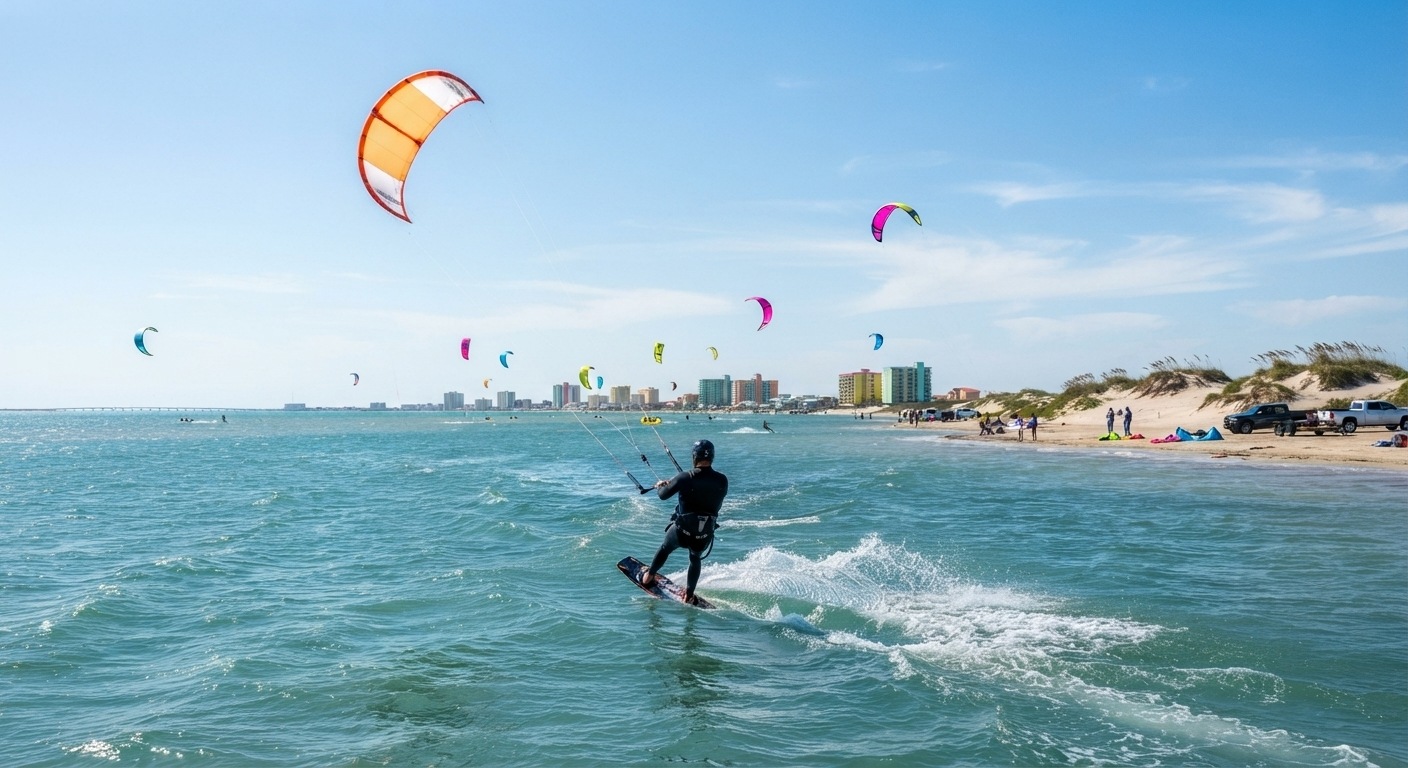
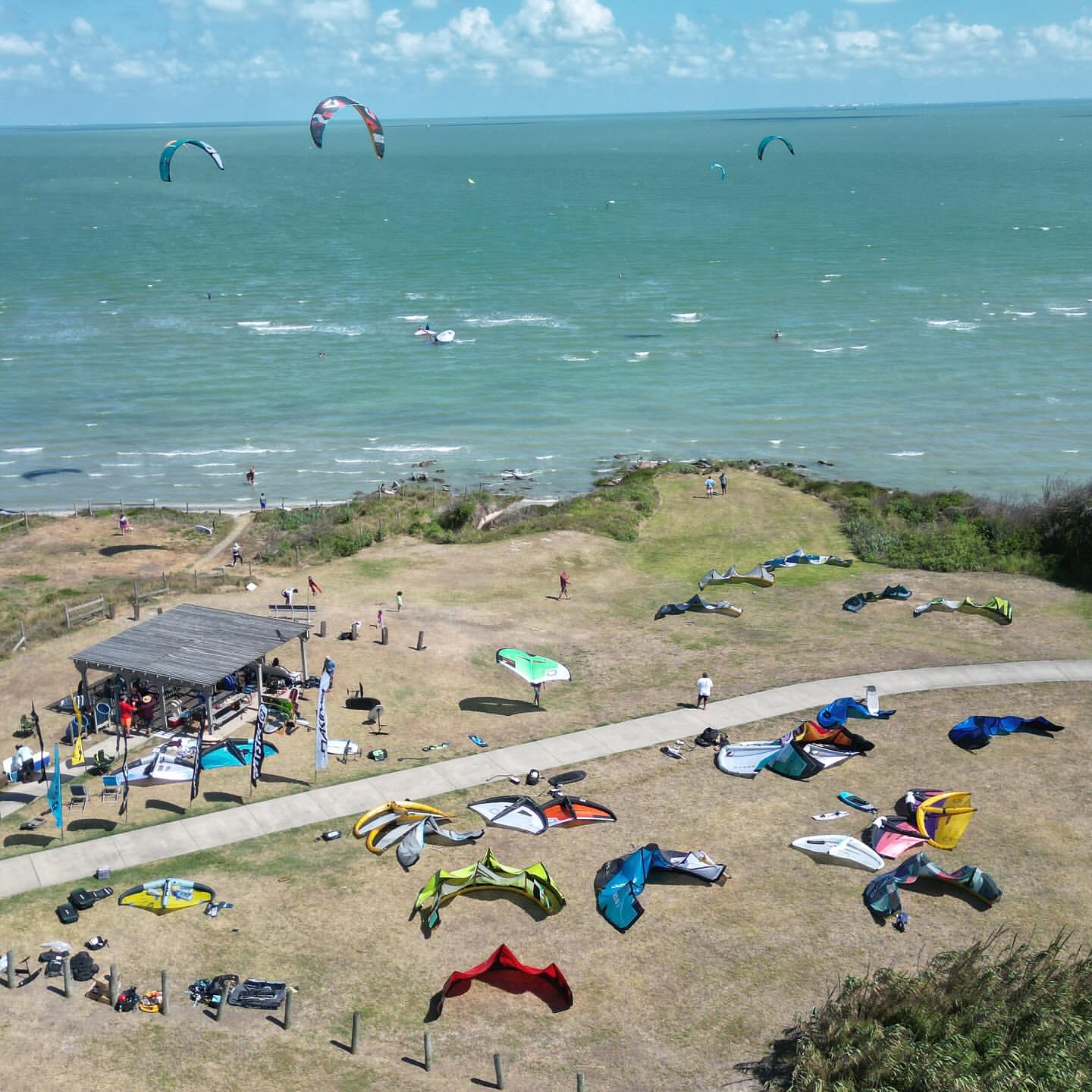
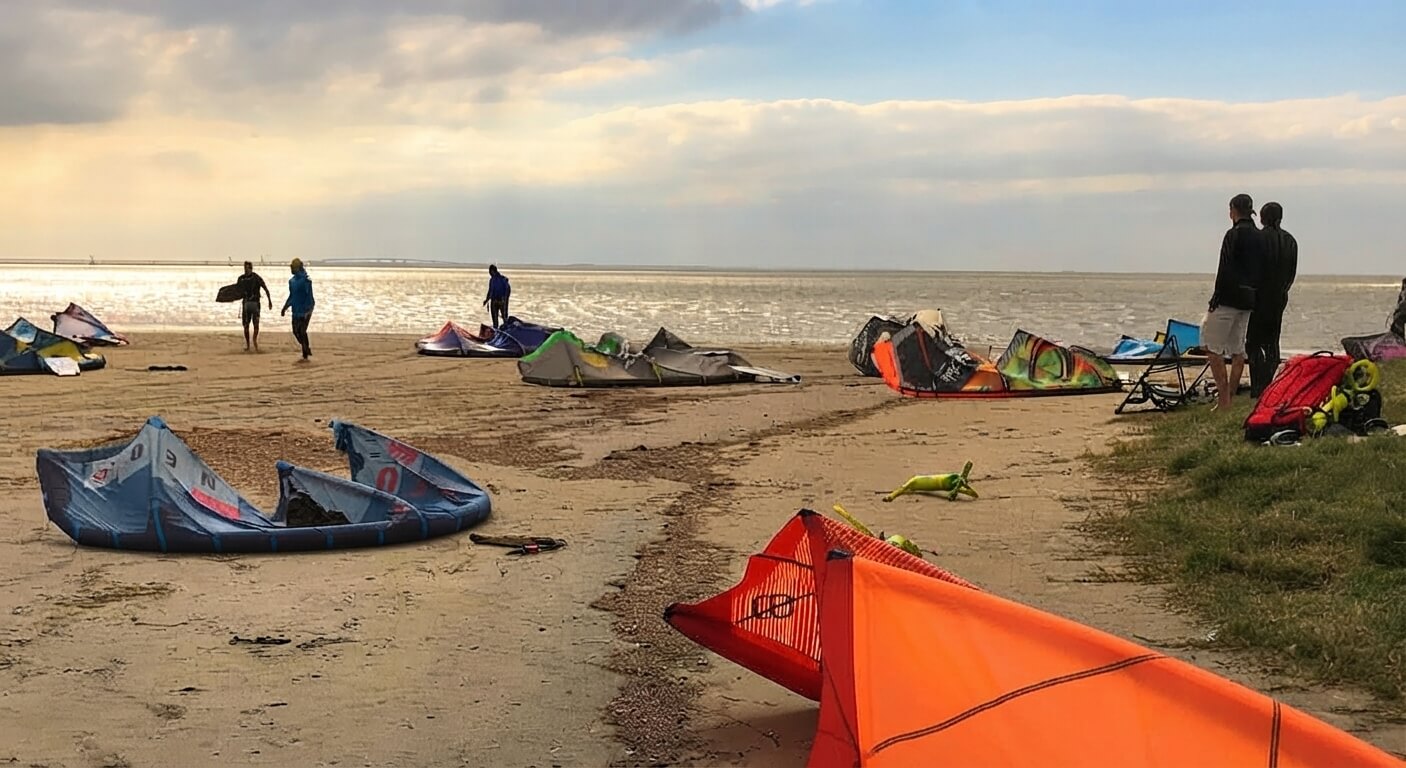
Corpus Christi and South Padre Island share the Laguna Madre, and every spot there runs on a south-easterly sea breeze that's strongest March through August. Grassy Point, Brozil and all three South Padre Island spots hold up good wind the rest of the year too, on cold-front wind; Wildcat Park is the one spot with a real gap, quiet from September through February. Expect 13–26 knots on a good day, with the Laguna's shallow, sandy-bottomed flats making it one of the most forgiving regions in the country to learn or push freestyle.
Oregon: the Columbia River Gorge and the southern coast
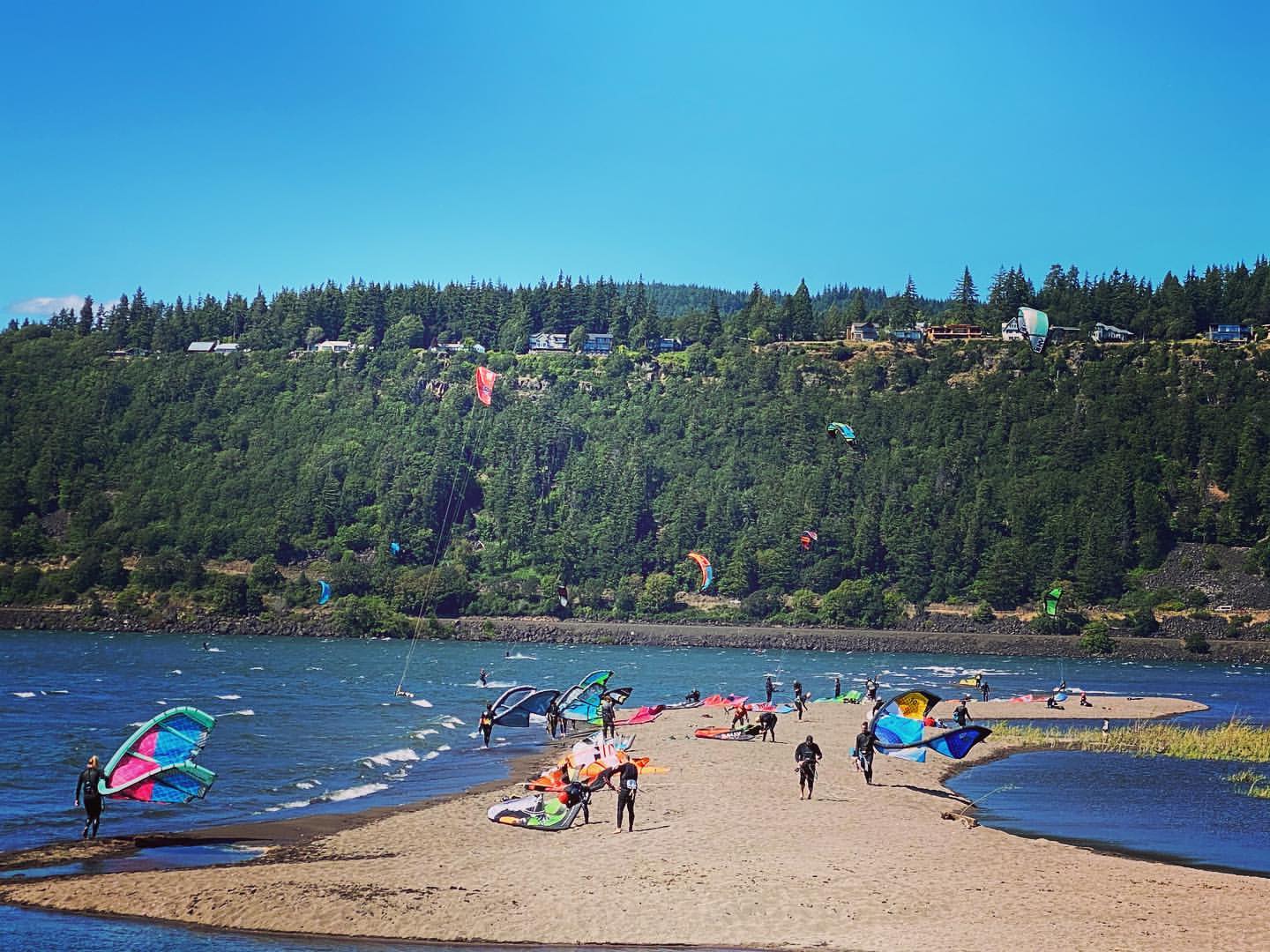
Hood River's wind is a thermal jet funnelled down the Gorge, blowing predominantly from the west, and it's reliable from May through August -- typically 15–30 knots, with July often the strongest single month since the wind there is strong enough without any thermal help at all. Floras Lake, over 250 miles south on the open coast, runs on a completely different, non-thermal prevailing wind and holds a longer season on both ends, March through October, at 18–29 knots.
Hawaii: trade winds, plus a thermal top-up on Oahu
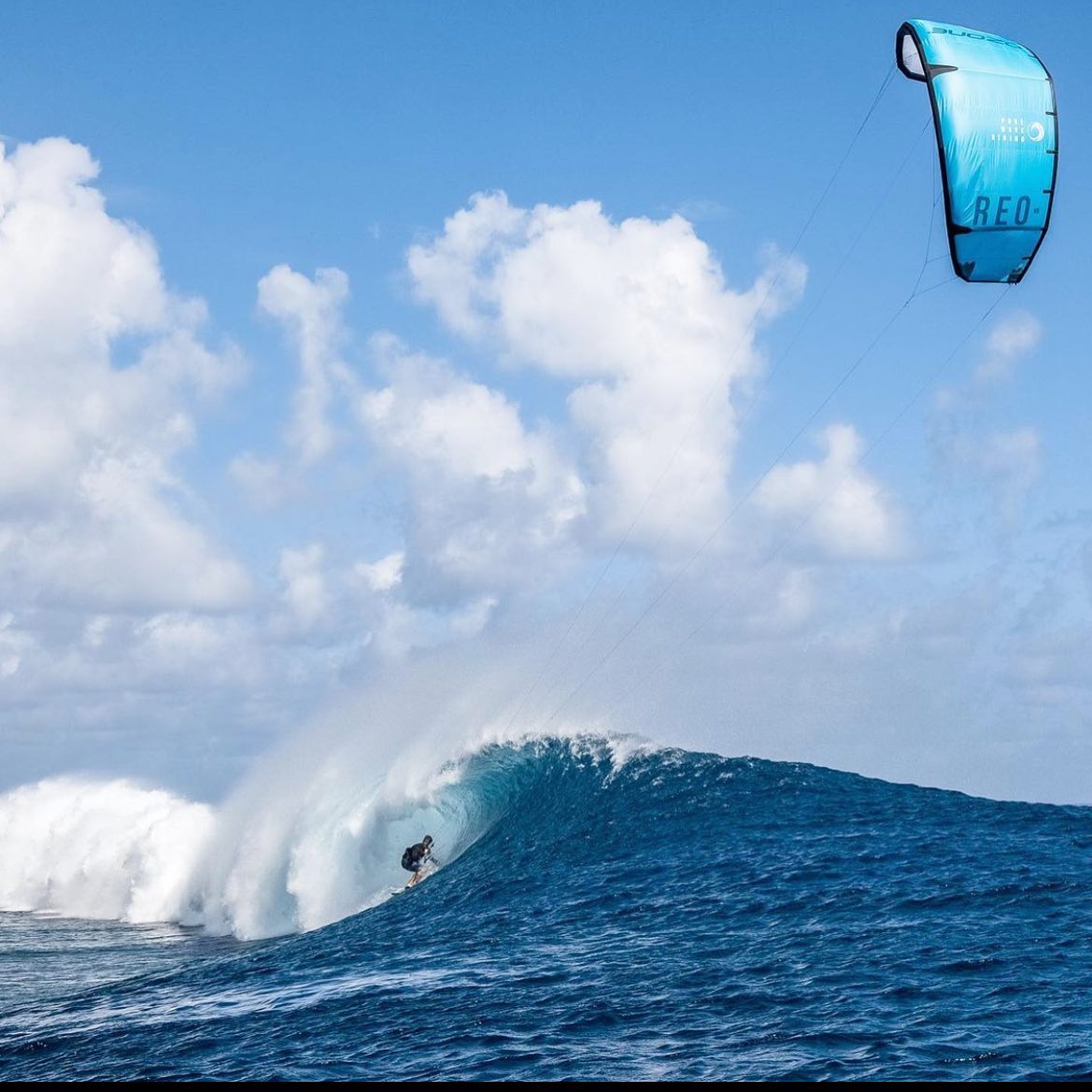
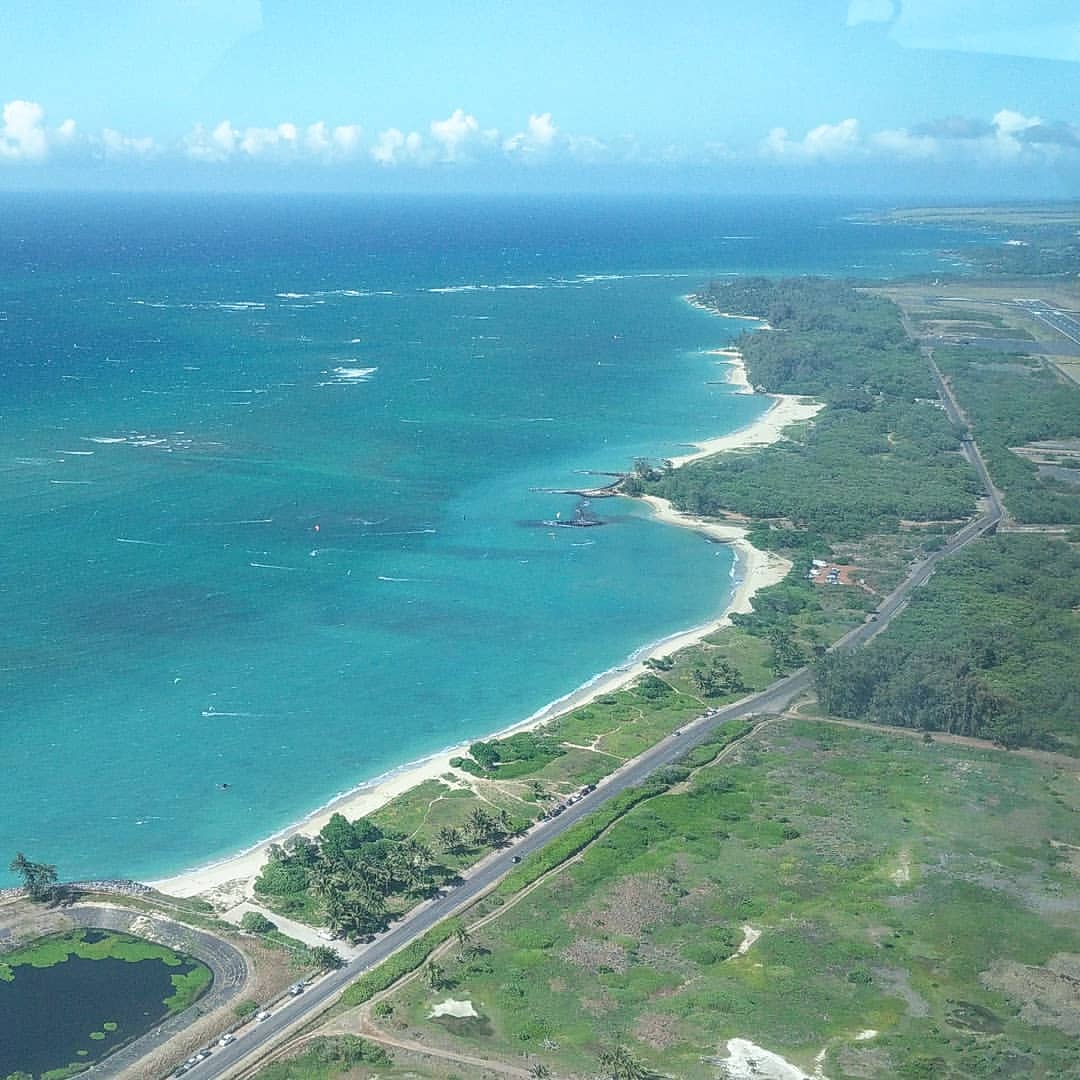
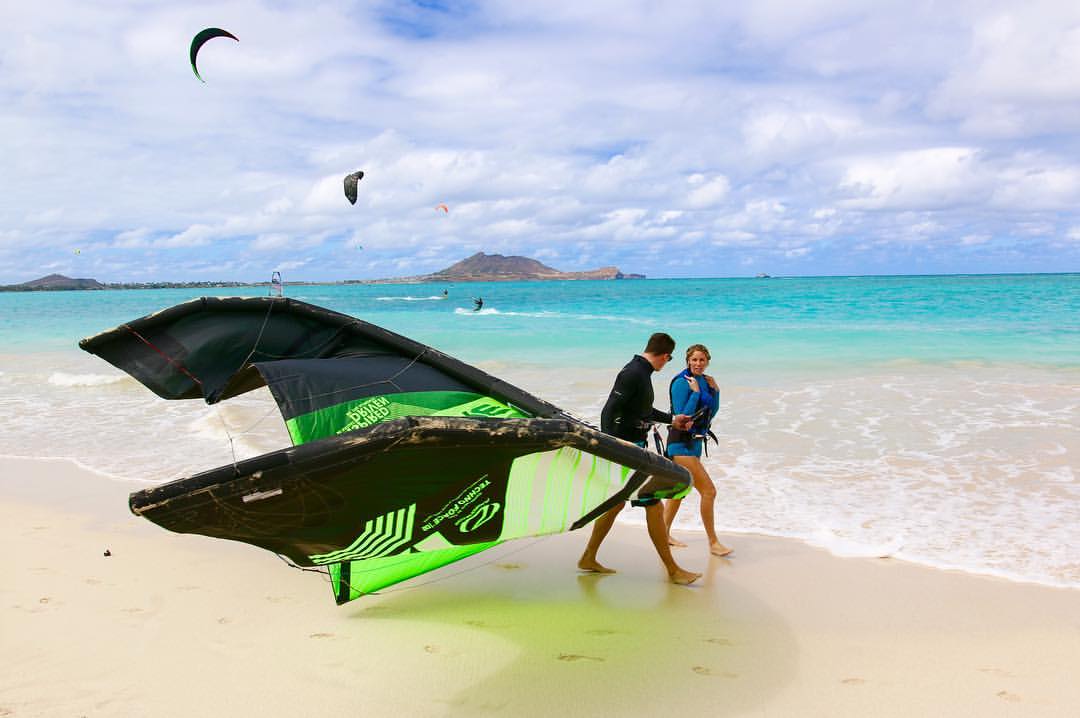
All four Hawaii spots start from the same north-easterly trades, and May through October is the one stretch where Kite Beach, Kanaha Beach Park, Kailua Bay and Mokuleia all read good. Kanaha Beach Park is the region's narrowest window, May through October only; Kite Beach holds on through December. Oahu's Kailua Bay and Mokuleia turn out to be the most consistent of the four, good February through December, thanks to a real thermal top-up that fills in around the trade-wind base. Kailua Bay typically sees 13–28 knots through its season.
California: coastal thermals
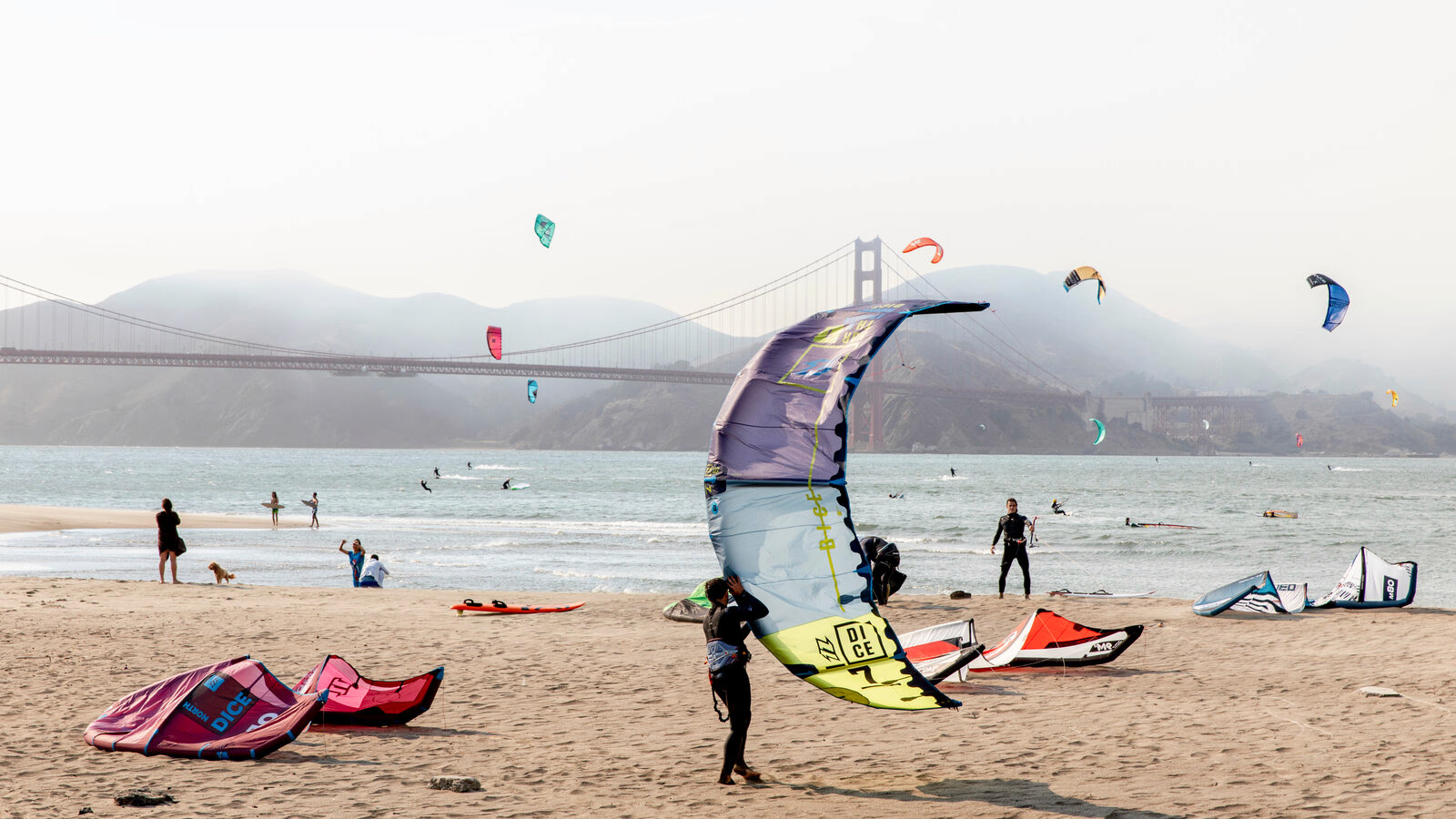
California's wind is driven by the Central Valley heating up and pulling air in off the coast through the afternoon. Sherman Island in the Delta typically runs 15–25 knots; the Bay Area's more exposed coastal spots (Waddell Creek, Ocean Beach) read gustier still, regularly into the low-to-mid 20s, while Crissy Field in San Francisco sits in between -- the same thermal mechanism powers all of them, just with real spot-to-spot differences in strength.
East Coast: the Outer Banks and Florida
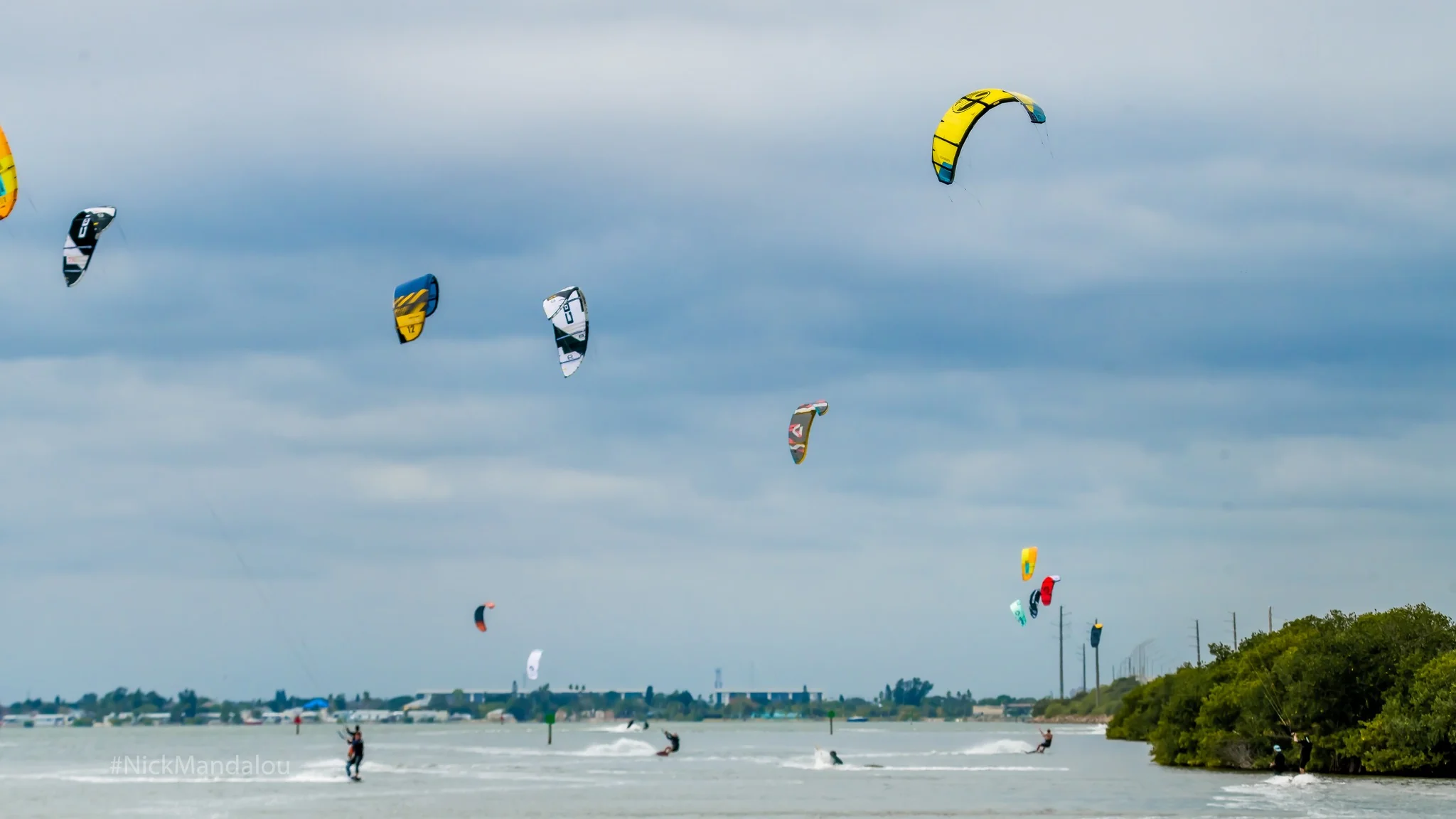
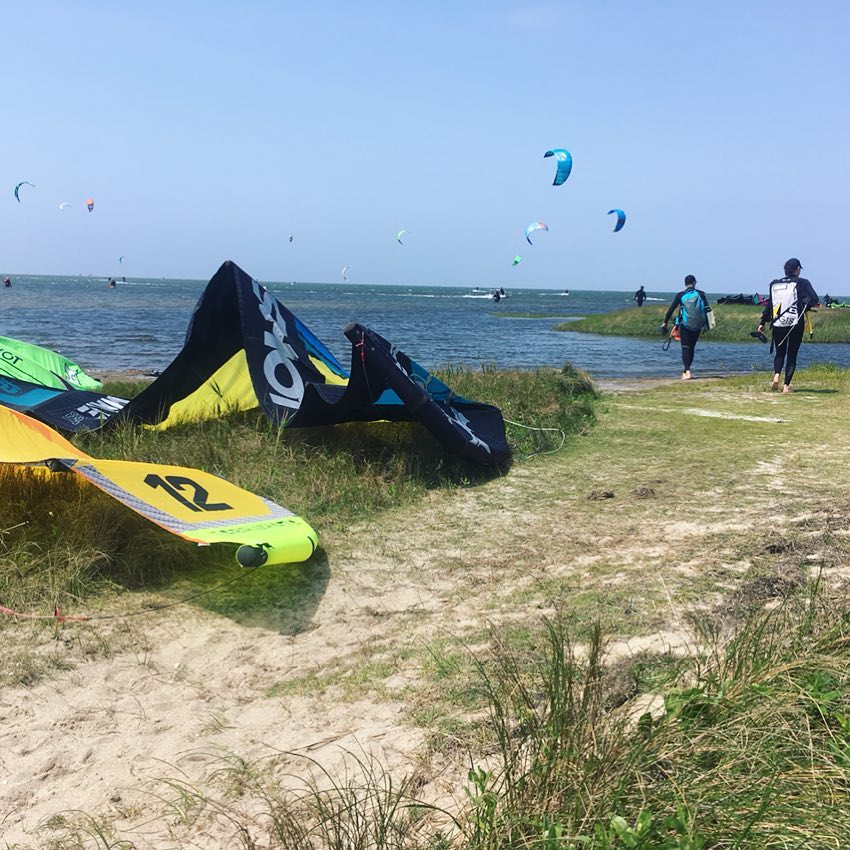
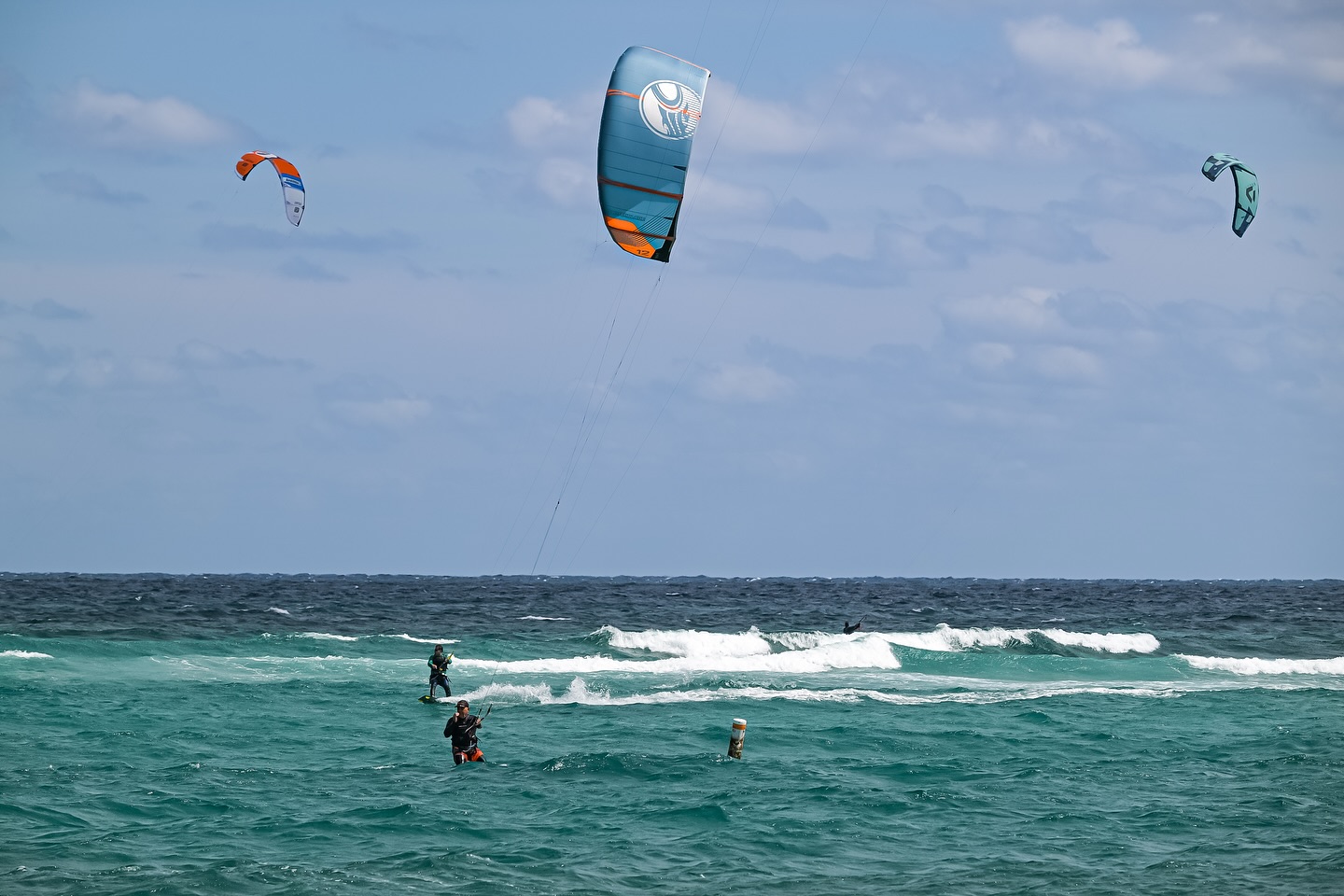
The Outer Banks runs on a mix of SW thermal and NE frontal wind that shows up in every month of the year at every spot in this guide, which is why it's kiteable year-round rather than tied to one part of the calendar -- typically 14–32 knots, gustiest during the NE frontal months. Florida flips the calendar around it: cold fronts moving through from October to July bring the strongest wind of the year at spots like Pompano Beach — up to 28 knots — while the Tampa Bay side settles into a steadier 13–26 knot baseline for most of that same stretch. August and September are the one real dip statewide; every other month reads good at most Florida spots in this guide.
Planning around it
Because these are several genuinely different wind systems, there's no single kite size or wetsuit that covers the whole country — it comes down to the specific destination, time of year and your own weight. Every spot guide on this site has its own kite-size chart by rider weight for exactly that reason, so check the region and spot pages above before you pack.
Kitesurfing Regions in the USA
- North Carolina — the Outer Banks
- South Carolina
- Oregon — the Columbia River Gorge
- Texas — Corpus Christi & South Padre Island
- Hawaii — Maui & Oahu
- California
- Florida
With so many amazing spots to choose from, there's no shortage of opportunities to catch some wind and waves. Happy kiting!
Nearby countries
If you didn't find a good spot, check Canada and Mexico, since they also have great kitespots to kitesurf.